Polish-Lithuanian Commonwealth later infantry with muskets regiment
The Polish-Lithuanian Commonwealth's military was divided into national and foreign contingents, with the majority being recruited from within the Commonwealth. The reputation of the infantry was distant second in reputation to the cavalry arm. During the late 16th century, infantry levies were formed based on peasants recruited from the royal estates, who received land in exchange for their service. These troops were of low to average effectiveness and were used to supplement the hadjuk infantry on the battlefield.
Contains:
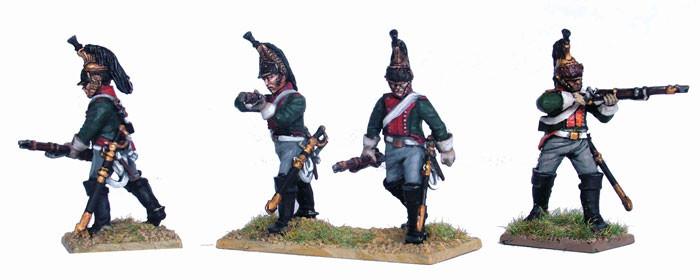
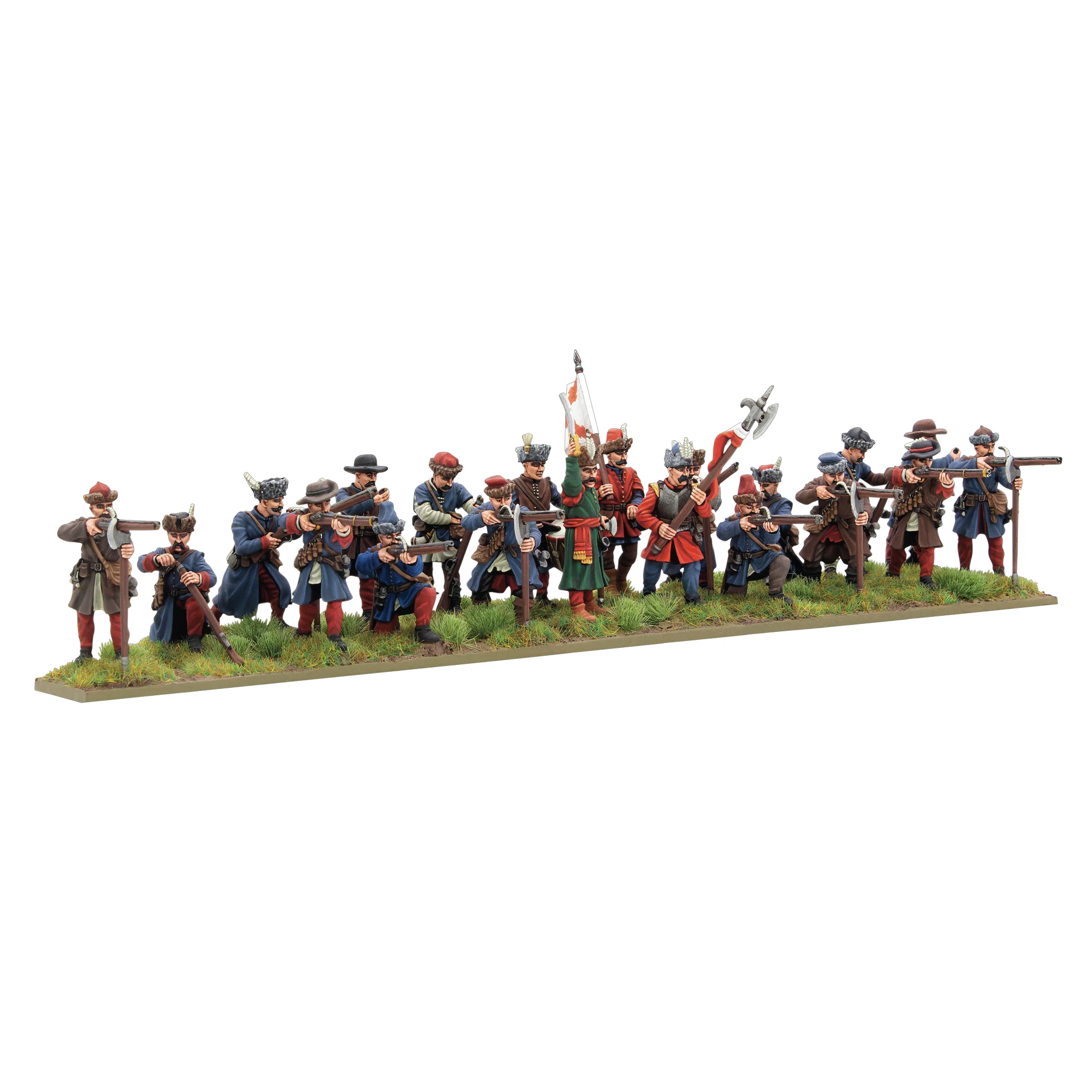
- 20 metal Polish-Lithuanian infantry with muskets (includes a command group of 2 officers, standard bearer, and musician).
Miniature sculpted by Wojtek Flis. Studio miniatures painted by Jamie Getliffe.
Models supplied unassembled and unpainted
The Polish-Lithuanian Commonwealth's military was divided into national and foreign contingents, with the majority being recruited from within the Commonwealth. The reputation of the infantry was distant second in reputation to the cavalry arm. During the late 16th century, infantry levies were formed based on peasants recruited from the royal estates, who received land in exchange for their service. These troops were of low to average effectiveness and were used to supplement the hadjuk infantry on the battlefield.
Contains:
- 20 metal Polish-Lithuanian infantry with muskets (includes a command group of 2 officers, standard bearer, and musician).
Miniature sculpted by Wojtek Flis. Studio miniatures painted by Jamie Getliffe.
Models supplied unassembled and unpainted
Description
The Polish-Lithuanian Commonwealth's military was divided into national and foreign contingents, with the majority being recruited from within the Commonwealth. The reputation of the infantry was distant second in reputation to the cavalry arm. During the late 16th century, infantry levies were formed based on peasants recruited from the royal estates, who received land in exchange for their service. These troops were of low to average effectiveness and were used to supplement the hadjuk infantry on the battlefield.
Contains:
- 20 metal Polish-Lithuanian infantry with muskets (includes a command group of 2 officers, standard bearer, and musician).
Miniature sculpted by Wojtek Flis. Studio miniatures painted by Jamie Getliffe.
Models supplied unassembled and unpainted